Chicken manure in Kenya sells for roughly Ksh 250 to 700 per bag depending on bag size, dryness and where you buy. How much your land needs is a separate question, and it depends on the crop, the soil and how well the manure has aged. Here are the current published prices, what published guidance and trials say, and the mistakes that burn crops instead of feeding them.
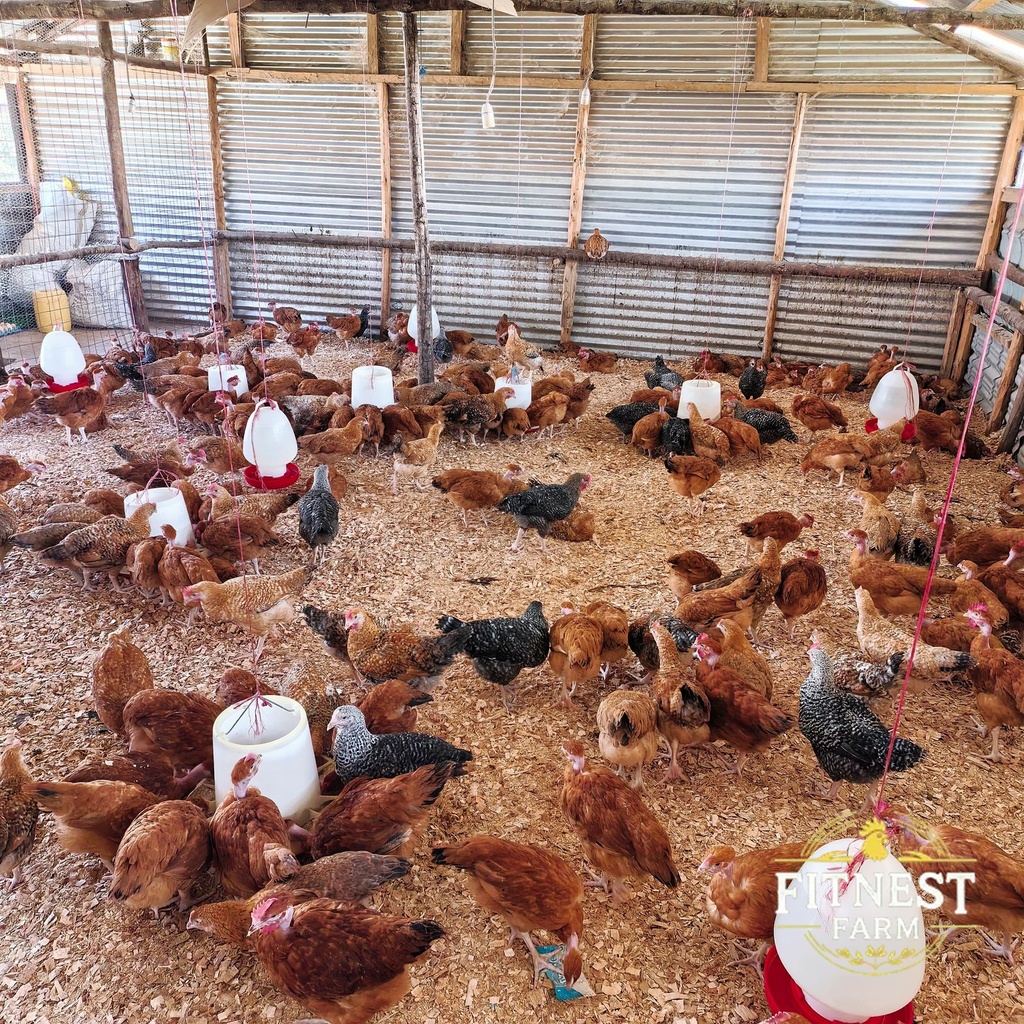
What chicken manure costs in Kenya right now
Published 2026 market prices put a 50 kg bag at Ksh 250 to 400, a 70 kg bag at Ksh 350 to 550 and a 90 kg bag at Ksh 450 to 700. Many sellers add about Ksh 50 for the sack itself, waived if you return empties or bring your own. Price follows quality: properly dried and composted manure with little smell costs more than fresh manure mixed with sawdust, so ask the seller how dry and how well aged it is. A bag of wet fresh manure and a bag of dry composted manure are not the same dose.
How much per acre depends on your crop and soil
There is no single right amount. Published advice differs because it was written for different crops, soils and kinds of manure, and manure varies a lot in moisture and in how long it has been composted. A bag of wet fresh manure and a bag of dry composted manure are not the same dose. For example, a FarmKenya column in The Standard (2020) cautions against applying more than about 2 tonnes of chicken manure per hectare because of the risk of burning crops. A KALRO trial on okra at Kandara in Murang'a tested poultry manure at 0, 3, 5 and 7 tonnes per hectare and found the highest yield at 5 tonnes. Those are examples for particular crops and conditions, not rates to copy. Start from a soil test, ask your county agricultural extension officer, and apply manure a few weeks before planting so soil microbes can release the nutrients in time.
Fresh manure can scorch young plants, which is why it should be composted first (see below).
What chicken manure offers, and its limits
Chicken manure is rich in nitrogen and phosphorus, which is why many crop farmers value it. The Standard's FarmKenya column notes that it is low in potassium, so some soils may still need another source. It also adds organic matter that holds moisture and feeds soil life. The trade-off: it is strong, so it punishes careless use.
Produce from partner farms across Kenya, in one place.
Browse the MarketplaceProduce from partner farms across Kenya, in one place.
Browse the MarketplaceProduce from partner farms across Kenya, in one place.
Browse the MarketplaceThe mistakes that burn crops
Fresh chicken manure is hot - high in ammonia - and applied straight to roots it scorches seedlings and can kill young plants. Compost it first: pile it, keep it moist, turn it, and leave it until it is dark, crumbly and earthy-smelling; ask your county extension officer how long that takes for your manure and crop. Even composted, do not let it touch stems directly; work it into the soil before planting or use it as a top dressing kept a hand's width from the plant.
And water it in - dry pellets sitting on the surface feed nobody.
What we charge, and how to get it
Our kienyeji and Kenbro flocks produce manure as steadily as they produce eggs, and we sell it at Ksh 10 per kg through our farm shop - about Ksh 500 for a 50 kg bag, which is at or above the top of the published market range. Manure is collection from the farm in Kochia East - message us on WhatsApp at +254 791 255 964 and we will agree quantities and a collection time. If you are too far away to collect, our marketplace connects you with partner farmers - we will not promise a lorry we cannot send.
If you keep chicken yourself, our guides on starting a kienyeji flock and cutting feed costs cover the other half of the business.
Note: the market prices are from published 2026 Kenyan market guides (BeyondForest's chicken manure price survey). The application examples come from The Standard's FarmKenya column (27 June 2020) and a KALRO Kandara okra trial (Journal of Experimental Agriculture International, 2023). Actual prices vary with dryness, composting, distance and season, and the right application depends on your crop and soil. Our own price is our live shop price today. Composting before use is widely advised in Kenyan farm guidance to reduce the risk of burning crops; ask your county extension officer how long to compost for your crop.