
A hotel kitchen, a school cook or a restaurant owner does not buy eggs the way a household does. They want the same size every week, a delivery that arrives before breakfast, and a supplier who does not disappear when feed prices rise. A farm that can offer that has a steady customer, often for years.
This guide is for poultry farmers who want to supply hotels, restaurants and schools in Kenya, and for kitchen buyers who want to know what a reliable supplier looks like.
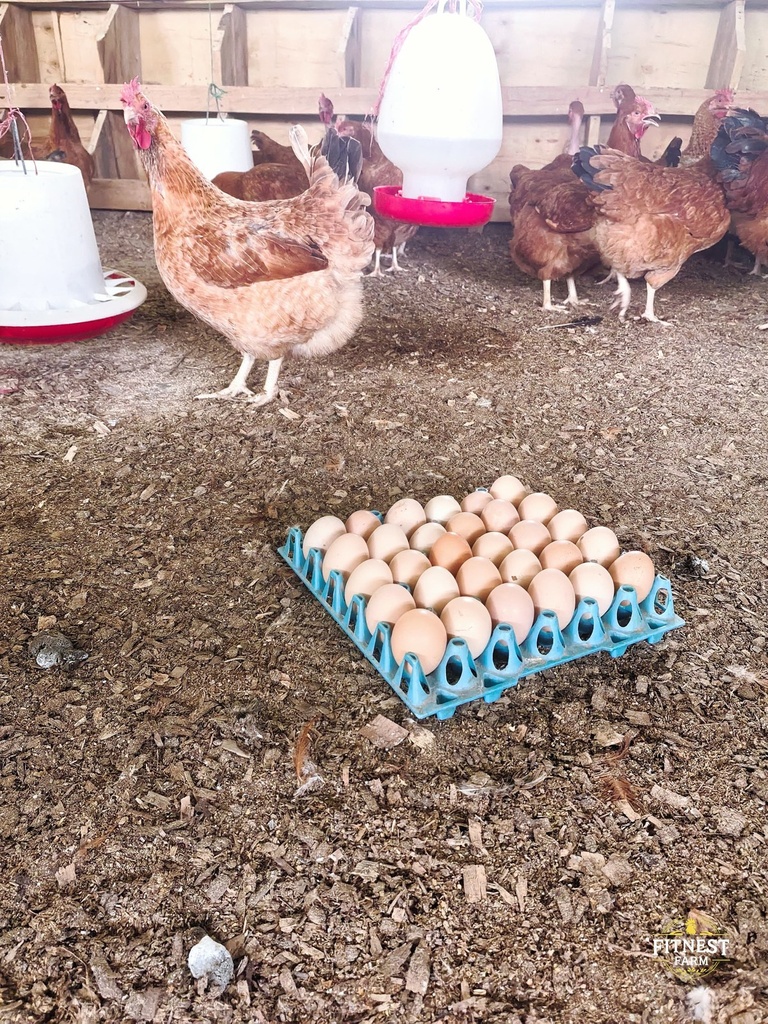
What institutional buyers ask for
Published offers from Kenyan egg suppliers to hotels and institutions show the same short list. Eggs graded to one size, so portions and baking stay consistent. Regular delivery, daily or weekly. A standing order instead of one-off buying. Clean packaging. And a price that stays steady for the contract period.
One Nakuru supplier, for example, publishes a contract rate of KES 400 to 410 a tray for buyers who commit to a regular schedule, against a minimum order of around 100 trays. Another supplier says it delivers within 24 hours of collection and can scale from 100 to 1,000 trays a week. These are published offers, not market averages, but they show how a standing order is priced: lower per tray, in exchange for volume and regularity.
The grading rule many farmers miss
Kenyan law is specific here. Under the Weights and Measures (Sale and Labelling of Goods) Rules, you may not sell eggs by grade unless each egg has been graded by weight and the grade is marked on the egg or the container. Each container must hold eggs of one grade only.
In practice this means a tray labelled "large" must really be large, and you cannot mix sizes in one tray and call it graded. If you sell by tray without a grade claim, say so plainly. Kitchens notice mixed trays quickly, and consistent sizing is one of the main reasons they switch suppliers.
How much supply is a real commitment?
Count before you promise. A tray holds 30 eggs. A hotel that wants 20 trays a week needs 600 eggs a week, about 86 a day. A flock of laying hens does not lay every day, so you need more hens than eggs per day, plus a margin for the weeks when laying dips.
The safe approach is to promise less than your flock can deliver. Start with one or two buyers at a volume you can meet in your worst week. Add the next buyer only when the first has been served on time for a month. A missed delivery costs more trust than a small order ever earns.
Delivery and freshness in Kenya's heat
Eggs lose quality fast in warm weather, so keep them cool and out of the sun between the nest and the kitchen. Collect often, discard cracked eggs, and deliver in clean trays. Our guide on storing eggs in Kenya covers the handling in detail.
Tell the buyer the lay date or collection date on each delivery. Buyers trust a supplier who gives that information without being asked.
Agree the terms in writing
Whatever the size of the order, write down five things: the quantity per delivery, the delivery days and time, the price and how long it holds, how payment is made, and what happens when eggs arrive cracked or late. A short written agreement protects both sides and prevents most disputes.
How Fitnest works with kitchens and farmers
Fitnest Farm in Homa Bay sells kienyeji eggs and chicken, and takes standing orders from buyers who need regular supply. Our minimum order is 30 trays for eggs, though we can be flexible for buyers who order often. Farmers with eggs to sell can apply to join the Fitnest marketplace, where Fitnest reviews every farmer before anything is listed.
Buyers can see our current kienyeji egg price in the farm shop, or leave their details on the layer eggs waiting list. Farmers can read how the Fitnest marketplace works and register as a partner farmer. Questions: WhatsApp +254 791 255 964.
Note: supplier rates quoted above are published offers from Kenyan egg suppliers at the time of writing and are not Fitnest prices. Our own price is our live farm shop price today.